Mushroom Info
Explore the flavors and benefits of our harvest

Pleurotus djamor
Pink Oysters
Pink Oysters are the tropical cousins of the oyster family. They are prized for their stunning, vibrant pink color and their ability to thrive in high-heat conditions where other mushrooms might fail.
Flavor Profile & Culinary Characteristics
-
Taste: They have a woody and savory flavor that is often described as more intense than the Blue or Pearl varieties. When fried until very crispy, many people compare the taste to bacon or cured ham.
-
Texture: They are succulent but have a firmer, tougher flesh than Golden Oysters. This resilience allows them to hold up well in heavy sauces or long-simmering dishes.
Visual Note: While they are breathtakingly pink when raw, the color fades to a golden-tan or light brown once heat is applied.
Pleurotus ostreatus
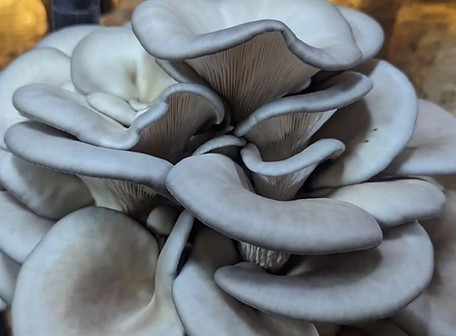
Blue Oyster
Blue Oyster mushrooms are among the most popular and versatile mushrooms in the specialty market. They are prized for their stunning appearance when young and their robust, meaty texture when cooked.
Flavor Profile & Culinary Characteristics
-
Taste: They feature a bold, savory, and mild umami flavor. While subtle, many chefs detect a very faint sweetness or a "woody" undertone that is more pronounced than in Pearl or White Oyster varieties.
-
Texture: Blue Oysters are significantly meatier and denser than Golden Oysters. The caps stay velvety and succulent, while the stems can be a bit chewy if they are particularly thick.
Visuals: When young, the caps are a deep, steely blue. As they mature or are exposed to higher light levels, the color often transitions to a sophisticated soft grey or silver.

Pleurotus ostreatus
White oysters
The White Oyster is the quintessential "workhorse" of the mushroom world. It is incredibly resilient, fast-growing, and one of the most versatile mushrooms in the kitchen. For many cultivators and chefs, this is the gold standard for reliable production and classic flavor.
Flavor Profile & Culinary Characteristics
-
Taste: It features a mild, woody, and slightly sweet flavor. Some people even detect a very faint hint of anise (licorice) when the mushroom is raw.
-
Texture: The caps are soft and velvety, while the stems can be a bit more fibrous. When cooked, they become tender but retain enough body to stand up as a meat substitute.
They naturally contain small amounts of lovastatin, which has been studied for its ability to help lower cholesterol.
Pleurotus citrinopileatus
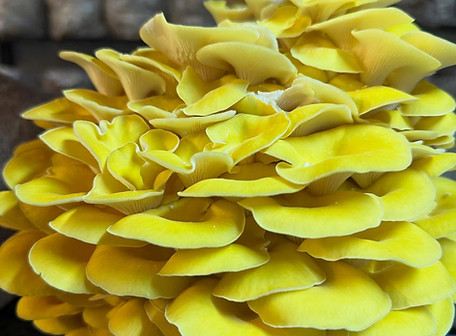
Golden oysters
Golden oysters are as visually striking as they are flavorful. Their vibrant yellow caps tend to fade slightly when cooked, but their distinct aroma and taste make them a favorite in the kitchen.
Flavor Profile & Culinary Characteristics
-
Taste: They offer a complex nutty and savory profile. While many describe the flavor as reminiscent of cashews, it can also develop a subtle, toasted scent similar to popcorn or mild seafood when sautéed.
-
Texture: These mushrooms are notably delicate and brittle. Unlike the heartier Blue or Pearl oysters, Goldens have thin flesh that crisps up beautifully but can become quite fragile if overhandled.
Finish: They lack the metallic or sharp aftertaste found in some wild fungi, maintaining a mellow, buttery finish.

Pleurotus pulmonarius
Phoenix Oysters
Also known as the Summer Oyster or Italian Oyster, the Phoenix Oyster is the heat-loving cousin of the standard White Oyster. It is a favorite among cultivators for its ability to thrive during the warmer months when other varieties might struggle or "stall out."
Flavor Profile & Culinary Characteristics
-
Taste: It has a very mild and sweet flavor, often with a subtle earthy, metallic, or peppery undertone. It is less "mushroomy" than a Shiitake, making it a great "gateway mushroom" for those who aren't sure they like fungi.
-
Texture: Because the caps are thinner, they cook very quickly and develop a lovely delicate crunch around the edges.
Their delicate size and shape make them perfect for tossing directly into pasta dishes (like a lemon-garlic linguine) or topping a homemade pizza.
Pleurotus ostreatus x eryngii
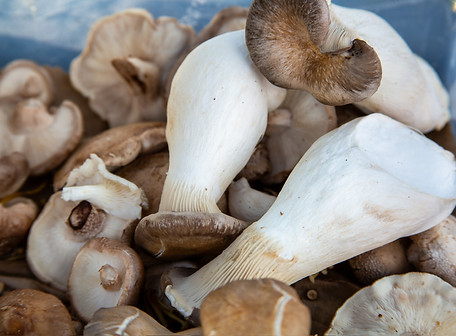
Black Pearl Oysters
Black Pearl Oysters are a unique hybrid between a European Gray Oyster and a King Trumpet mushroom. They are often considered the "best of both worlds" because they offer the large, edible stems of a King Trumpet with the easier growing habits of a standard Oyster.
Flavor Profile & Culinary Characteristics
-
Taste: They feature a deep, peppery, and earthy flavor. They are much more savory than the Blue or Pink varieties, with a rich "umami" profile that stands up well to bold seasonings.
-
Texture: Unlike most oysters where the stems are discarded, the Black Pearl is edible from top to bottom. The stems are dense and "meaty" rather than woody, while the caps are soft and velvety.
Visuals: They are striking mushrooms with dark, marbled caps that look like black pearls when young, atop thick, creamy white stems.
Hericium erinaceus
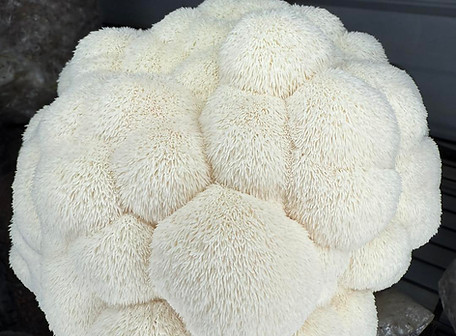
Lion's Mane
Lion's Mane is a true standout in the fungal kingdom, looking more like a white pom-pom or a cluster of icicles than a traditional mushroom. It is unique because it serves as both a culinary delicacy and a functional powerhouse.
Flavor Profile & Culinary Characteristics
-
Taste: It is famous for its seafood-like flavor, specifically resembling crab or lobster. It is mild, sweet, and savory with no "dirt" or heavy earth tones.
-
Texture: The internal texture is tender and stringy, very similar to flaky white meat or shellfish. When cooked properly, the exterior "icicles" (teeth) can become delightfully crispy.
Visuals: It is a pure white, globular fungus. As it ages or is handled, it can bruise slightly yellow or brown, which doesn't affect the flavor but indicates it should be used soon.

Hericium coralloides
Comb's Tooth
The Comb’s Tooth is a breathtaking member of the Hericium family, closely related to the more famous Lion’s Mane. While Lion’s Mane grows in a single, solid "pom-pom" clump, Comb’s Tooth lives up to its name by branching out into a delicate, coral-like structure covered in cascading white spines.
Flavor Profile & Culinary Characteristics
-
Taste: t is widely considered one of the best-tasting wild mushrooms. It has a mild, sweet, and succulent flavor, often compared to crab or lobster meat.
-
Texture: The branches provide a tender "meatiness," while the spines add a delicate, velvety mouthfeel.
Like its cousin Lion’s Mane, Comb’s Tooth is a functional powerhouse:
-
Neuroprotective Properties: It contains hericenones, which are compounds studied for their ability to stimulate Nerve Growth Factor (NGF), potentially aiding in cognitive health and nerve repair.
Pholiota adiposa
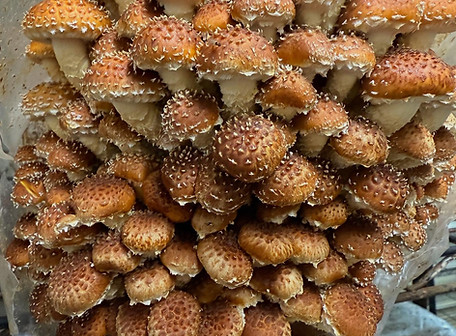
Chestnut mushrooms
These mushrooms are a standout choice for both growers and home chefs, prized for their unique aesthetic and remarkable texture that remains firm even after long cooking times.
Flavor Profile & Culinary Characteristics
-
Taste: They offer a mild, earthy, and savory flavor with a distinct nutty undertone. Compared to the more common Button mushroom, Chestnuts provide a much deeper, more complex "umami" punch.
-
Texture: Their most defining feature is the crunch. While the caps are silky, the stems retain a firm, "snappy" bite similar to cooked asparagus or al dente pasta.
Visuals: They are famous for their shaggy, "scaly" caps and bright orange-to-brown hue, which adds a professional, gourmet look to any dish.

Cyclocybe aegerita
pioppino
Pioppino mushrooms, also known as the Black Poplar mushroom, is a prized culinary fungus known for its firm texture and forest-like aroma. Historically, it was one of the first mushrooms to be cultivated, with records of the Romans growing them on poplar logs.
Flavor Profile & Culinary Characteristics:
-
Taste: They have a distinctly nutty, peppery, and earthy flavor.
-
Texture: Unlike many other mushrooms, the stems remain firm and crunchy when cooked, making them excellent for adding texture to dishes.
Culinary Use: Because they hold their shape well under high heat, they are favorites for stir-fries, risottos, and slow-cooked stews.

Flammulina velutipes
GOlden Enoki
While many are familiar with the snowy-white, vacuum-sealed Enoki found in grocery stores, the Golden Enoki is its more "natural" counterpart. It is often referred to as the Winter Mushroom or Velvet Shank because of its ability to fruit in near-freezing temperatures.
Flavor Profile & Culinary Characteristic:
-
Taste: It has a significantly more intense flavor than the white variety, sweet, earthy, and mildly fruity, with a distinct umami finish.
-
Texture: It is prized for its "al dente" snap. The stems are crunchy, while the caps are slightly silky.
Instead of separating every individual strand, try slicing the base off and cooking them in small "fans." This creates a beautiful presentation and a more substantial bite.

Lentinula edodes
Shiitake
The Shiitake is perhaps the most iconic specialty mushroom in the world. Originally native to East Asia, it has been cultivated for over 1,000 years. It is favored by growers and chefs alike for its deep, smoky flavor and its ability to be preserved through drying.
Flavor Profile & Culinary Characteristics
-
Taste: Shiitakes are the definition of umami. They have a rich, savory, and almost buttery flavor with a distinct forest-floor smokiness.
-
Texture: The caps have a "meaty" and succulent bite that remains firm even after long cooking times.
Shiitake stems are very woody. They should be removed before cooking the caps, but don't throw them away! Save them in the freezer to make incredibly rich, savory vegetable or mushroom broths.